.IMG1802-7eea5aeab70c25c53aae365cbbfddd033c85a0654c272341ef8530dcbb9e509c.PNG)
How to Till a Garden with a Skid Steer Tiller Rental Near Brigham City, Utah
Thinking about a fall garden or getting a new plot ready for next spring? Late summer is one of the best times in Northern Utah to break ground. The soil is dry enough to work, and tilling now gives compost and amendments time to settle in before planting season. If your plot is bigger than a walk-behind rototiller wants to handle, a skid steer with a tiller attachment turns a full weekend of fighting hard ground into an afternoon of steady passes.
Why Till with a Skid Steer?
Box Elder and Weber County soil can be stubborn — compacted clay, old sod, and rocky patches are common from Willard and Perry up through Brigham City and Tremonton. A 72" skid steer tiller mounted on a Bobcat S185 skid steer chews through that ground in wide six-foot passes, blending soil and amendments to a consistent depth. Compared to a walk-behind unit, you'll finish large plots several times faster and with far less strain — a big deal if you're prepping a quarter-acre garden, a pumpkin patch, or a food plot.
Step 1: Clear and Mark the Plot
Walk the area first. Pull sprinkler flags, hoses, and anything metal. Mark irrigation lines and call Blue Stakes (811) if you're unsure what's buried — tiller tines run several inches deep. If the plot has heavy weeds or old brush, knock it down first so the tiller works soil instead of wrapping vegetation.
Step 2: Rough Out Rocks and Old Sod
If your ground has buried rocks or thick sod, a toothed bucket on the skid steer is the right opening move. Rip and lift the worst material out before tilling — rocks are hard on tiller tines, and big sod chunks re-root if you just churn them under. Pile the debris to one side as you go.
Step 3: Till in Overlapping Passes
Run the tiller slowly in straight, slightly overlapping passes. Two rounds work best: a first pass to break the crust, then a second pass at a right angle to the first for an even, fluffy seedbed. If you're adding compost or manure, spread it between the two passes so it gets mixed through the profile instead of sitting on top.
Step 4: Haul Off the Debris
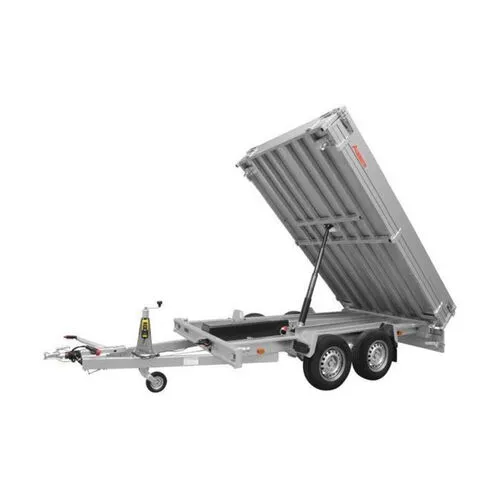
Rocks, sod, and brush add up faster than you'd expect. A 7x14 dump trailer (14,000 lb GVWR) makes cleanup simple — load it with the skid steer, drive to the green waste facility, and dump with the push of a button. It beats shoveling a pickup bed twice.
What It Costs
The Bobcat S185 runs $200 for 8 hours or $250 for 24 hours, and drops to $200/day on multi-day rentals — attachments like the tiller and toothed bucket rent alongside it. There's a refundable $100 hold and an optional $50 damage waiver. Most garden plots are a one-day job, tilling included. No truck setup for hauling equipment? Ask about the equipment trailer (10,000 lb GVWR, 18 ft deck) when you book.
Timing Tips for Northern Utah
- August–September: Till and amend for fall crops like garlic, or to let a new plot mellow over winter.
- Avoid tilling wet soil: Working saturated clay creates clods and hardpan. Squeeze a handful — if it ribbons instead of crumbles, wait a few days.
- One weekend, whole plot: Rent for 24 hours, rough out with the bucket in the morning, till in the afternoon, haul debris the next morning.
Local, Family-Run, By Appointment
K4 Leasing is a family-run rental business at 8635 S Highway 89 in Willard, serving Brigham City, Perry, Mantua, Corinne, Honeyville, Ogden, Pleasant View, Plain City, Hooper, and the rest of Box Elder and Weber County. We're by appointment only, so your equipment is ready when you arrive.
Book online at rentwithk4.com or call/text 385-326-5825.